

How to Nurture Sensitive Soulful Children
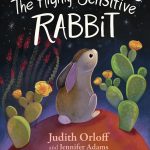
25th Anniversary Issue Soulful Children Are Deeply Sensitive and Require Proper Nurturing In addition to their sensitivity, they are wise beyond their years, highly intuitive, and have a deep connection to nature. These children often ask thoughtful questions, feel emotions intensely, and have an innate sense of wonder. If you’re the parent of a soulful child, it’s important to support their sensitivities and help them embrace their abilities. This will help them feel comfortable in their own skin now and as they mature into adults. As a sensitive and intuitive child myself, I never felt like I fit in. Much of the time, I felt like an alien on Earth, waiting to be transported to my real home in the stars. My ordinarily loving mother would call me “too sensitive” and would say, “You need to get a thicker skin.” So, I grew up believing there was something wrong with me, and I had terrible shame about my soulful self. This is why I feel so passionate about my children’s book, The Highly Sensitive Rabbit, because I want to help sensitive children embrace their gifts. I want to help liberate children from the shame I felt so they can thrive. The book is about a caring rabbit named Aurora who was shamed by her family for her sensitivities but learns to embrace these gifts through the love and support of other animals. The following themes are explored in the book—they are strategies parents and caregivers can use to nurture sensitive children. 5 Strategies to Support Soulful Children 1. Encourage opennessInvite your children to speak openly to you or...
Ten Traits of an Empath
20th Anniversary Issue I am a psychiatrist and an empath. I combine my traditional scientific background with intuition, spirituality and my empath-skills in my private practice seeing patients and in my workshops on empaths. Many conventional physicians adhere to a basically linear perspective on healing, but I passionately believe that optimal healing blends mind, body and soul. So, in my therapeutic work, I stay open to any intuitions, flashes or knowings I receive about my patients. This lets me See the whole person. Many patients come in who are experiencing overwhelm or exhaustion but their symptoms aren’t getting better. The huge missing piece of their healing is discovering that they are an empath. Then they can practice the centering and protection techniques I discuss in my book The Empath’s Survival Guide. The trademark of an empath is that they feel and absorb other people’s emotions and/or physical symptoms because of their high sensitivities. They filter the world through their intuition and have a difficult time intellectualizing their feelings. As a psychiatrist and empath myself, I know the challenges of being a highly sensitive person. When overwhelmed with the impact of stressful emotions, empaths can have panic attacks, depression, chronic fatigue, food, sex and drug binges, and many physical symptoms that defy traditional medical diagnosis. But an empath doesn’t have to feel too much and be overloaded once they learn how to center themselves. The first step is to acknowledge that you are an empath. Here are the top 10 traits of an empath from my book The Empath’s Survival Guide. See if you can relate to them. 10 Traits...Our Sponsor

Our Sponsor

Our Sponsor