How you treat yourself profoundly affects your health and well-being.
As a psychiatrist and empath, I am fierce about my own self-care practices and teach these principles to my patients. I feel so strongly about them because I want to keep enjoying the extraordinary gifts of sensitivity—including an open heart, intuition, and an intimate connection with spirituality and the natural world. Shallow emotional waters don’t appeal to me. I love going deep—and my sensitivities take me there.
A big challenge for all sensitive people is how to be compassionate without absorbing the stress of others and the world. We don’t have the same filters as most people. We are emotional sponges who feel everything and instinctively take it in. This differs from “ordinary” empathy, where your heart goes out to others in pain or happiness, but you don’t take on their feelings. Another challenge for sensitive people is to have empathy for themselves.
What is self-empathy? Why can it seem so elusive when it is so good for us? It often seems so much easier to have empathy for others than for yourself. Self-empathy is a commitment to being caring rather than shaming or punishing yourself, especially if you’ve made a mistake. Maybe your first impulse is to push too hard or get impatient with your progress. Or you might beat yourself up for falling short at work or when communicating with a loved one. Or you are too quick to hate or blame. Without self-empathy, these are no-win situations. That’s why self-empathy is so vital to becoming a healthy, empowered empathic person.
Because of the absolute importance of this subject, I’ve devoted a complete chapter to it in my book The Genius of Empathy, where you can get a sense of why I’m framing self-empathy as a healing force in your life. To begin practicing self-empathy, follow these 8 tips.
8 Tips to Build Self-Empathy
1. Treat yourself with as much kindness as you treat others.
2. Honor your own needs rather than always putting everyone else first.
3. Have self-compassion for yourself during hard times, rather than blaming and shaming.
4. Set respectful boundaries with unhealthy behavior.
5. Give yourself permission to be around supportive, positive people.
6. Forgive yourself when you make a mistake.
7. Allow yourself to receive other people’s caring, help, and love.
8. Be happy with yourself when you do things well.
In addition, practice the following healing affirmation, which I recommend to my patients as a way to access self-empathy and promote self-healing. During the day, keep repeating it to lessen stress or to simply feel good.
I breathe deeply. My body is relaxed.
I am moving forward toward wellness and ease.
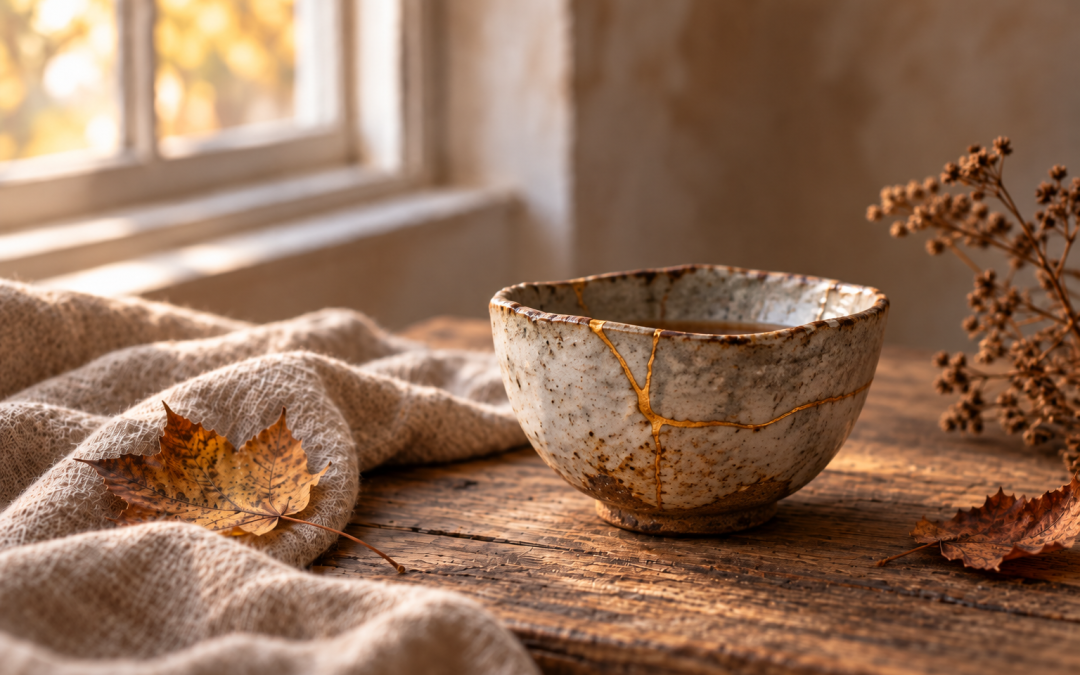
Self-empathy means accepting that you are human and can learn and grow. Of course, you will make mistakes or have regrets. You may move forward, slip backward, then move ahead again. You are not perfect. None of us is. Thank goodness. Perfection is so boring! I love the Japanese concept of wabi-sabi, which sees imperfections as beautiful and interesting. We are all messy and extraordinary at the same time. Self-empathy starts with being willing to accept your less-than-best qualities as well as your stellar ones.
(Adapted from The Genius of Empathy by Judith Orloff, MD, 2024 Sounds True Publishing)
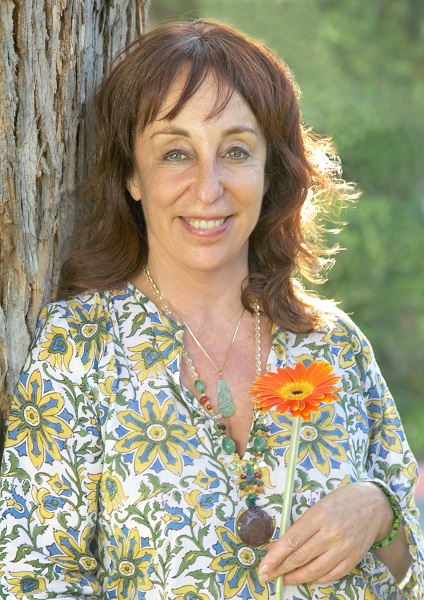
Judith Orloff, MD is a New York Times bestselling author, a psychiatrist, and an empath. She is the author of the new children’s book “The Highly Sensitive Rabbit,” which tells the story of a caring cottontail who is shamed for her sensitivities but then learns to embrace them. Dr. Orloff’s other books include The Genius of Empathy, The Empath’s Survival Guide, and Thriving as an Empath. Dr. Orloff also specializes in treating highly sensitive people in her medical practice. Dr. Orloff’s work has been featured on The Today Show, CNN, Oprah Magazine, the New York Times, and USA Today. Dr. Orloff has spoken at Google-LA and TEDx. Dr. Orloff has spoken at Google-LA and TEDx. Explore more at www.drjudithorloff.com.