
Soulful Children Are Deeply Sensitive and Require Proper Nurturing
In addition to their sensitivity, they are wise beyond their years, highly intuitive, and have a deep connection to nature. These children often ask thoughtful questions, feel emotions intensely, and have an innate sense of wonder. If you’re the parent of a soulful child, it’s important to support their sensitivities and help them embrace their abilities. This will help them feel comfortable in their own skin now and as they mature into adults.
As a sensitive and intuitive child myself, I never felt like I fit in. Much of the time, I felt like an alien on Earth, waiting to be transported to my real home in the stars. My ordinarily loving mother would call me “too sensitive” and would say, “You need to get a thicker skin.” So, I grew up believing there was something wrong with me, and I had terrible shame about my soulful self.
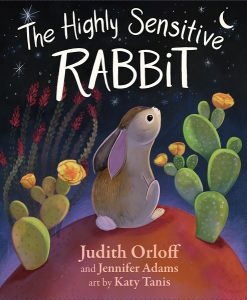
This is why I feel so passionate about my children’s book, The Highly Sensitive Rabbit, because I want to help sensitive children embrace their gifts. I want to help liberate children from the shame I felt so they can thrive. The book is about a caring rabbit named Aurora who was shamed by her family for her sensitivities but learns to embrace these gifts through the love and support of other animals.
The following themes are explored in the book—they are strategies parents and caregivers can use to nurture sensitive children.
5 Strategies to Support Soulful Children
1. Encourage openness
Invite your children to speak openly to you or supportive others about their abilities. Teach them to value their uniqueness and trust their gut feelings and inner voice. Then, they will see their gifts as natural.
2. Honor your children’s feelings
Listen carefully to what your children feel and respect their unique nature, even if it means the occasional day off from school. If your child needs to crawl under the dining room table or leave a large gathering, don’t drag them back into the party. Don’t shame them for wanting to escape. Just let them stay on the sidelines where they can observe and absorb without becoming overwhelmed.
3. Educate family members and teachers
Educate your children’s teachers and family members about their gifts and tendency for sensory overload. Ask them to support your children if they are bullied or teased.
4. Support your children in taking alone time to be quiet and creative
Soulful children thrive on free, unstructured time to be creative and allow their imaginations to wander. They recharge and calm down when they are alone. This reduces their stimulation level. Sensitive children often have imaginary playmates.
5. Teach your children breathing and meditation exercises
When soulful children are stressed, or if they feel as if they’ve taken on other people’s emotions (including your own), teach them to take a few deep breaths to calm down. In addition, they can close their eyes for a couple of minutes and meditate on a relaxing image.
It is a blessing to support the gifts of soulful children. When they learn to manage their sensitivities early on, their childhood and adult lives will be easier and more fulfilling. From this perspective, parenting soulful, sensitive children is a spiritual act and a sacred responsibility.
(Adapted from “The Highly Sensitive Rabbit” by Judith Orloff, MD and Jennifer Adams) © Copyright 2025 Judith Orloff. All Rights Reserved.
“The Highly Sensitive Rabbit” is available at all bookstores and through Amazon, Barnes and Noble, and Independent Bookstores.
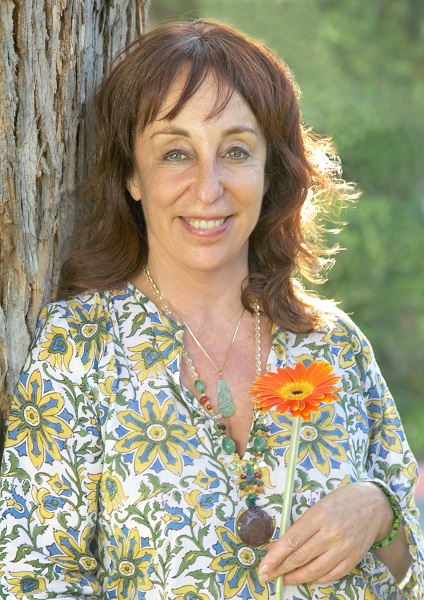
Judith Orloff, MD is a New York Times bestselling author, a psychiatrist, and an empath. She is the author of the new children’s book “The Highly Sensitive Rabbit,” which tells the story of a caring cottontail who is shamed for her sensitivities but then learns to embrace them. Dr. Orloff’s other books include The Genius of Empathy, The Empath’s Survival Guide, and Thriving as an Empath. Dr. Orloff also specializes in treating highly sensitive people in her medical practice. Dr. Orloff’s work has been featured on The Today Show, CNN, Oprah Magazine, the New York Times, and USA Today. Dr. Orloff has spoken at Google-LA and TEDx. Dr. Orloff has spoken at Google-LA and TEDx. Explore more at www.drjudithorloff.com.